

Interpretations
BROWSE BY CATEGORY
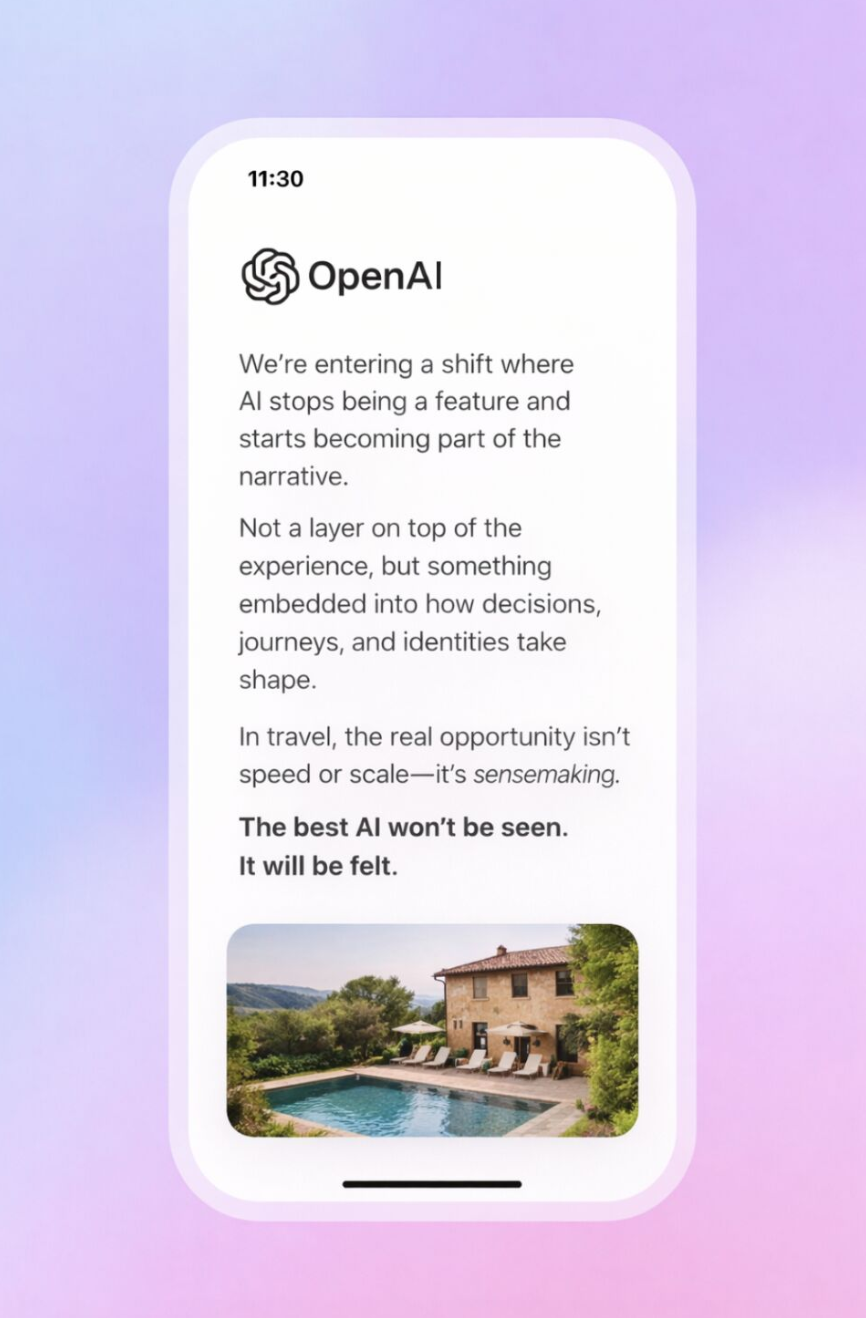
When Intelligence Disappears Into The Experience
The most powerful use of AI in travel isn’t speed or personalization. It’s sensemaking. When intelligence disappears into the experience, it doesn’t replace the story — it helps it become clear.
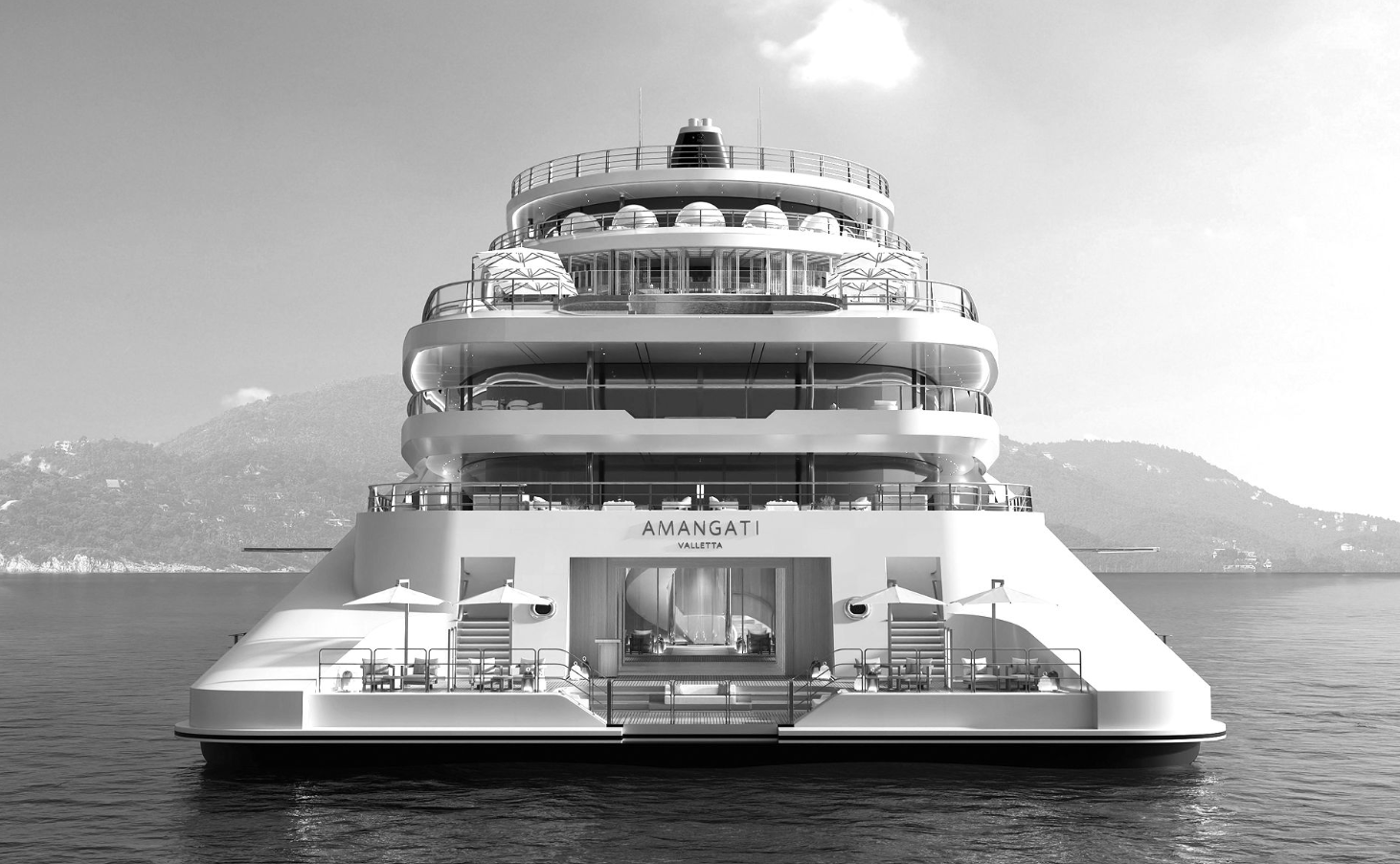
Amangati Isn’t Aman Expanding Into Yachts
Amangati reveals what Aman has always been designing: not destinations, but a state of being. A reflection on restraint, coherence, and why the strongest brands expand by protecting feeling, not adding more.

The Reinvention Race is On
Hospitality’s next chapter won’t be won by adding more features or scaling faster. It will be shaped by brands that understand who guests are becoming — and design experiences around meaning, identity, and clarity.
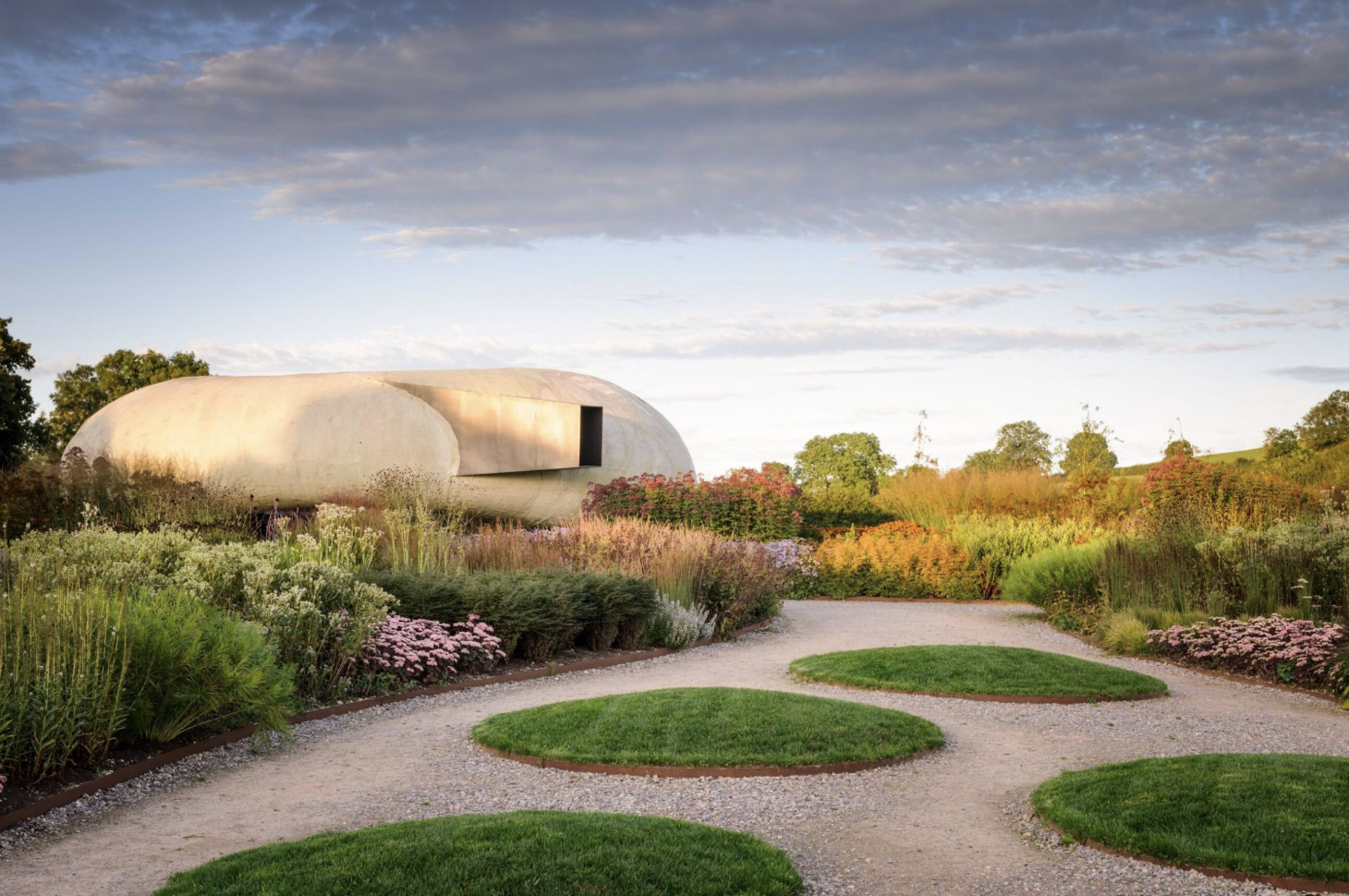
You Don’t Need Beds to Practice Hospitality
Hauser & Wirth proves you don’t need beds to practice hospitality. You need places people want to stay with. In Somerset, Menorca, and Los Angeles, they’re not designing for visits — they’re designing for return. And that might be the most important lesson hospitality can learn right now.

What Adrian Zecha Understood About Luxury
While the industry chased scale, Adrian Zecha built Aman by protecting stillness, privacy, and space. His quiet refusal to follow the rules didn’t just create a brand. It redefined what luxury could mean.
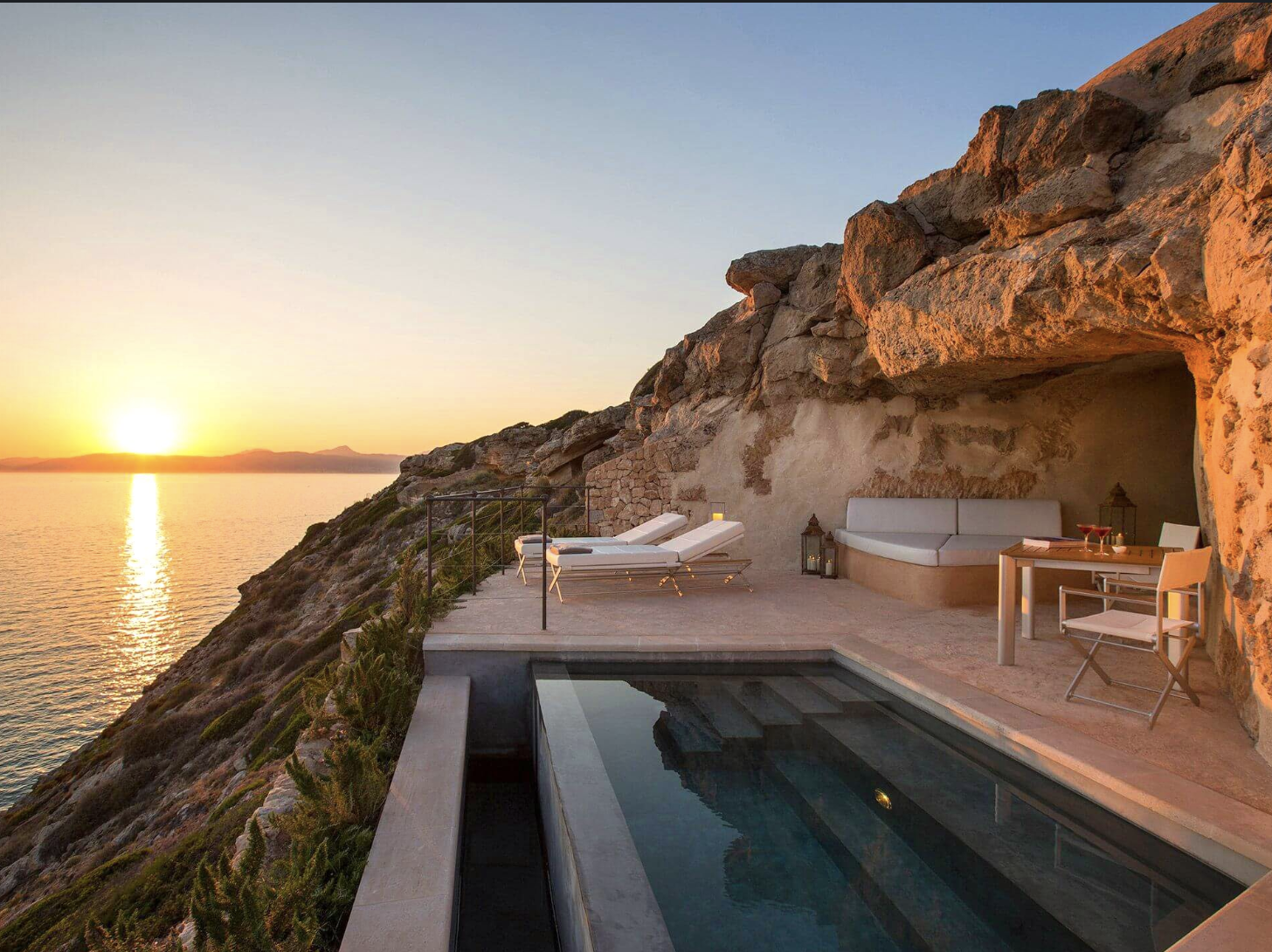
Cap Rocat and the New Language of Restraint
Once built for defense, Cap Rocat now does the opposite. It softens, slows, and restores—proving that the future of luxury is not about adding more, but about protecting what cannot be recreated.
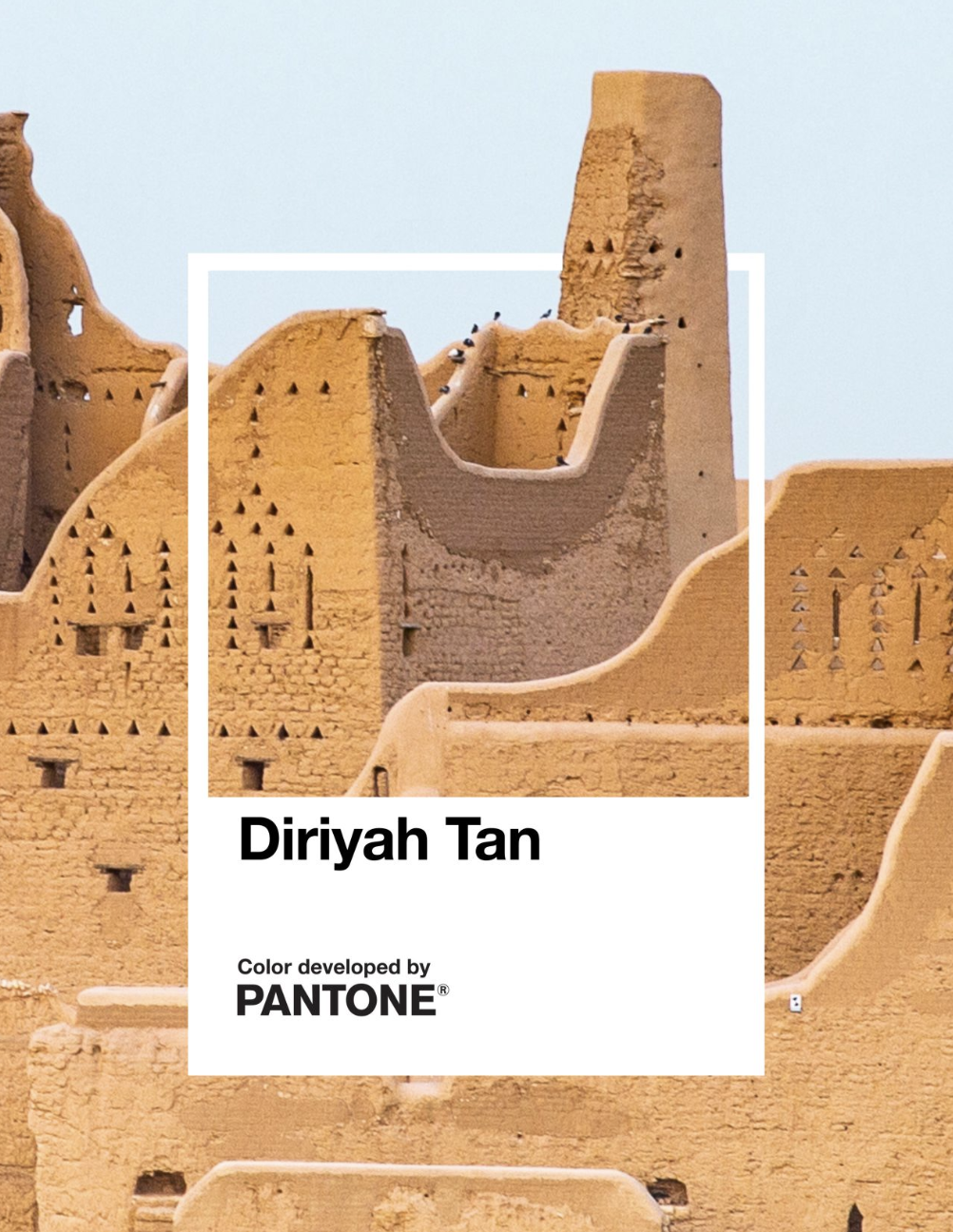
Diriyah Tan: The Color That Became a Place
Pantone’s Diriyah Tan proves something most brands still miss: color isn’t decoration, it’s direction. It’s not what you add at the end—it’s what people feel before they ever arrive.
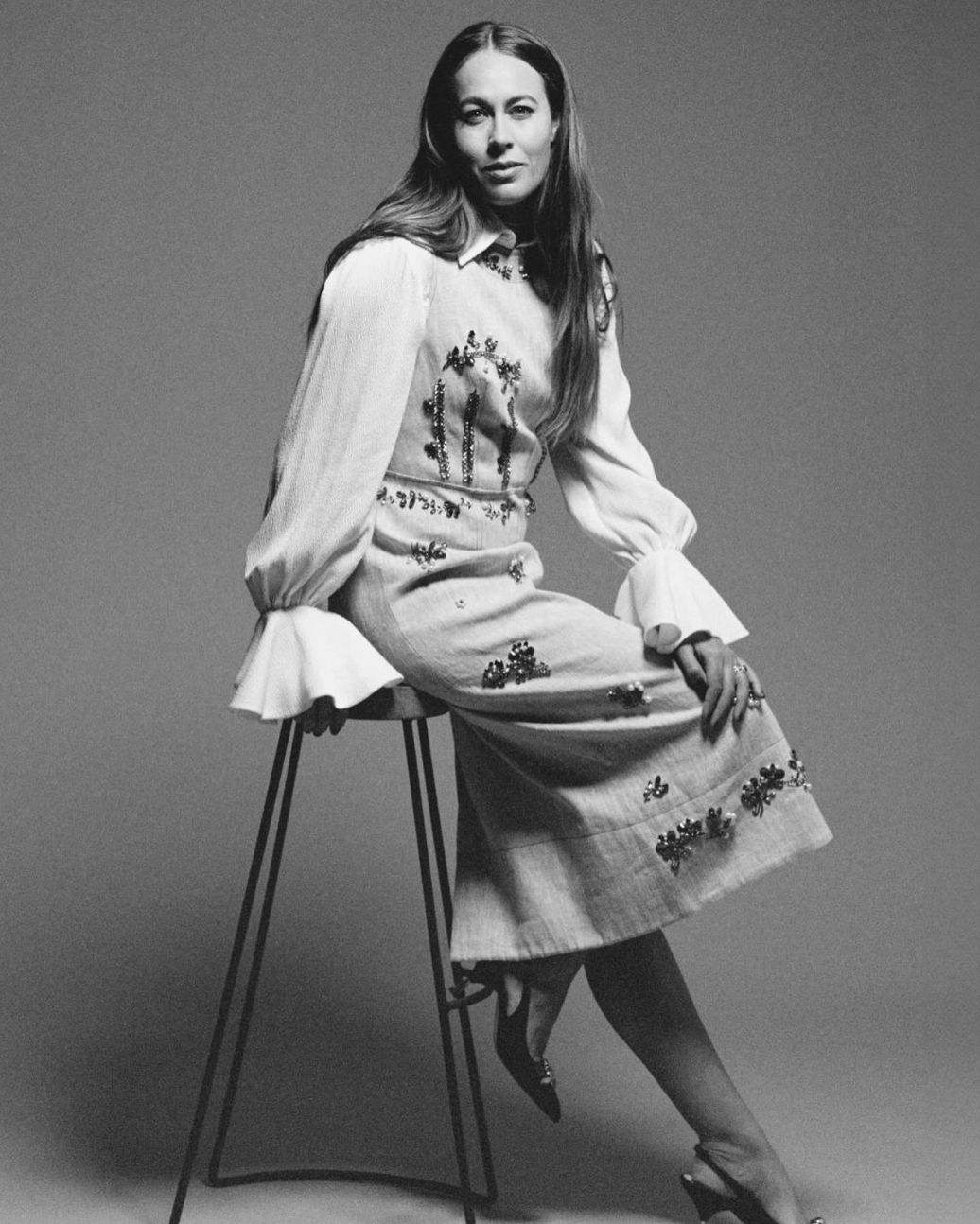
She Walked Away — And Built a Sanctuary Instead
Kisawa Sanctuary wasn’t designed as a hotel. It was built as a relationship—between land, people, and future.